

The Top 5 Pronunciation Challenges Non-Native Speakers Face in the Workplace

Lisa Mojsin
Clear, confident communication in English is essential for success in today’s workplace. Even when non-native speakers have excellent grammar and vocabulary, pronunciation challenges can sometimes get in the way of being fully understood. These difficulties are not a reflection of intelligence or ability, but rather the natural result of speaking a second language. With focused practice, these issues can be overcome.

Here are the top five pronunciation challenges that non-native speakers often face in the workplace — and what you can do about them.
1. Flat Speech: Missing the Rhythm and Melody of English
English is not spoken in a flat or monotone way. Native speakers use a distinct rhythm and melody, with certain words stressed and others reduced. If you speak every word with equal weight, your speech can sound flat and harder to follow.
How to Improve
Focus on word stress and sentence rhythm. Learn which words carry more emphasis (content words like nouns, verbs, and adjectives) and which words are reduced (function words like “to,” “of,” or “and”). This rhythm not only makes you sound more natural but also helps listeners understand your message more easily.
2. Speaking with a Soft or Timid Voice
Your voice communicates more than just words — it communicates confidence. Many non-native speakers struggle with a soft or hesitant voice. This often happens because of self-consciousness, anxiety, or a fear of making mistakes. A weak voice can unintentionally make colleagues overlook your ideas, even when those ideas are strong.
How to Improve
Practicing projection, breathing, and relaxation can help you develop a more powerful voice. The goal isn’t to be louder — it’s to sound confident, clear, and authoritative.
3. Mispronouncing Common Workplace Words
Do your colleagues sometimes give you confused looks or ask you to repeat yourself? One of the biggest frustrations for professionals is mispronouncing everyday workplace vocabulary.
How to Improve
Actively identify and practice these words. Keep a list of vocabulary you use often at work, and make it your goal to master their pronunciation. Look them up online, practice saying them, and repeat until they feel natural.
Even small improvements can make a big difference in how clearly you’re understood in meetings and everyday conversations.
4. Speaking Too Fast
Many learners believe that speaking quickly will make them sound more like native speakers. In reality, it often does the opposite. When we rush, we tend to take shortcuts—skipping syllables and not fully pronouncing consonant and vowel sounds—which makes our speech unclear and harder to follow.
How to Improve
Slowing down doesn’t mean you sound less fluent — it means you give your listeners time to understand you. Clarity is always more important than speed.
5. Incorrect Word Stress
Even when you pronounce all the individual sounds correctly, putting the stress on the wrong syllable can confuse listeners. For example, the words “pronouns” and “pronounce” have different stress patterns. If you pronounce them the same way, it creates misunderstandings.
How to Improve
English is full of words where stress changes meaning — think of “record” (noun) versus “record” (verb). Paying attention to syllable stress helps you avoid confusion and makes your speech sound more natural.
These challenges are common — and they’re absolutely fixable.
Clear pronunciation isn’t about erasing your accent; it’s about making sure your ideas are heard and understood. And in the workplace, that clarity can make all the difference in your professional success.
Ready to Improve Your Pronunciation?
At Accurate English, we specialize in helping successful professionals like you communicate clearly, confidently, and effectively.
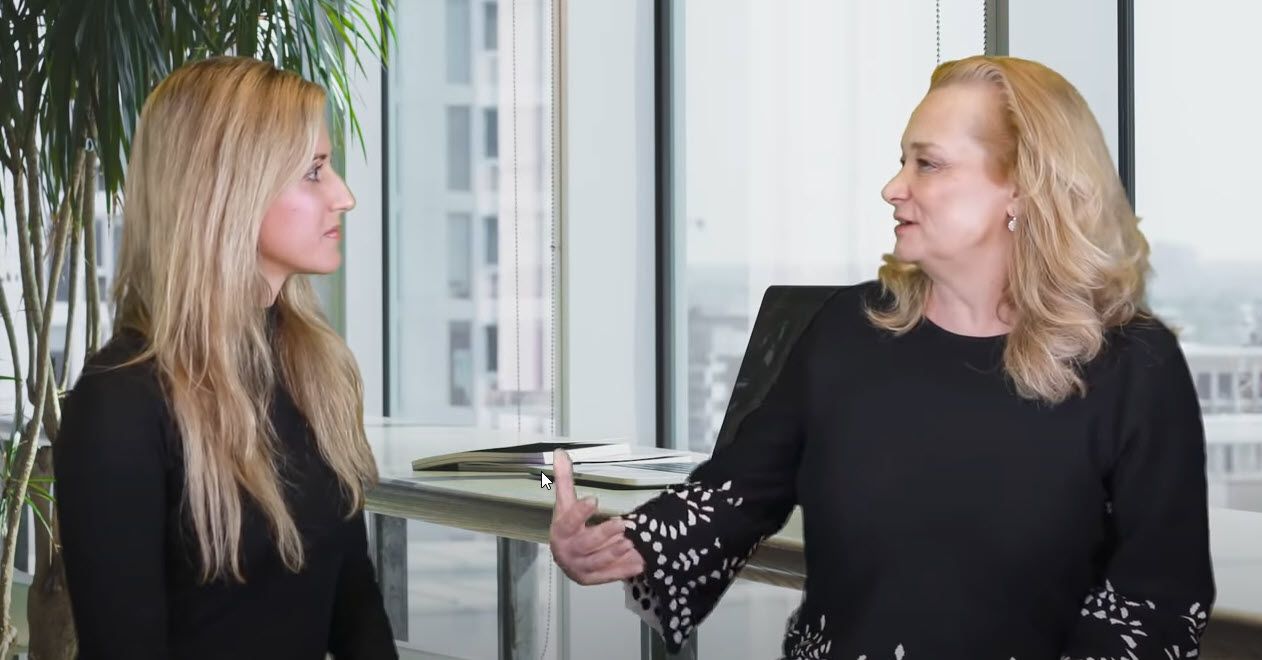
For over 25 years, we’ve been guiding clients from around the world to improve their pronunciation, strengthen their voices, and speak with authority in English.
Check out our popular online course, The American Accent Course, or take one-on-one lessons customized to your specific needs.
What’s YOUR reason for wanting to reduce your accent?
Share your story below, and let’s start your journey to clearer, more confident communication!
Related Posts

15 Reasons to Take One-on-One Accent Reduction Lessons
One-on-one accent reduction lessons can change the way you speak and connect. Explore 15 reasons students choose this training to improve clarity and confidence.

4 Tips to Improve Your American Accent Fast
Master the American Accent with 4 tips to improve your accent fast. Use these tips at work when speaking to colleagues and clients to help you speak more clearly and confidently.
Testimonials

Yasmine Al-Massri
Actress
“This course has been tremendously helpful to me. I avoided going to many auditions because of my accent. When you are a foreign-born actor and you get the script and you’re told you have to sound American, it’s intimidating. You have to focus on how you’re going to play the character and then how your accent sounds. You freak out! Lisa’s method gave me the tools I need to sound like a native speaker”

Jordann Kimley
Actor
“Lisa Mojsin is such a perfectionist. After working for nearly a decade with professional speech pathologists and various accent reduction teachers, I have found Lisa to be the most effective. I am now getting work as an actor because I no longer have an accent. She’s straight to the point and wastes no time. I have recommended her to so many people!”

Iona
from Germany, working in the US
“After a few weeks of taking this course I saw a huge improvement. I saw it not only in a business context but also in daily life. People are no longer focusing on my accent or asking me, “Where are you from?” I don’t avoid conversations any more. Actually, I look forward to them.
I really like the way this method focuses on small details of pronunciation. But it’s these small details that make a big difference in being understood. Now, in daily conversations, it’s more about me and less about my accent or where I’m from. I’m happier and I’m definitely more confident.
I can highly recommend these courses to anybody who’s serious about working in the US. If you think your English is fluent, working in the US is something different. You need to always get your message across.
I can highly recommend these courses.”

Paul S.
Software Engineer, from India, working in the US
“I honestly think taking these courses is not a choice. It’s essential for professional growth. I truly believe that communication is the key to reaching your highest goals. Even if you can dedicate just 30 minutes a day, it can make a world of difference.”

Your Instructor
Lisa Mojsin, M.A., is the founder of Accurate English, a premier accent reduction and communication training center in Los Angeles, with over 25 years of experience helping professionals master the American accent. As the creator of the bestselling book Mastering the American Accent and the acclaimed American Accent Course, Lisa personally conducts initial evaluations and first sessions for one-on-one coaching clients, ensuring tailored, results-driven training. She also trains Accurate English instructors in her proven methodologies, guaranteeing exceptional quality across all programs.
Get Started Now
Schedule your evaluation with Lisa Mojsin and secure your spot.
Questions? Contact us at [email protected]
0 Comments