

“Hey”, “Hi” or “Hello”? Choosing the Right Greeting for Professional English in the Workplace

Lisa Mojsin
Why Your Greeting Matters in the Workplace
The very first word you say in English can shape how people see you. A greeting sets the tone for the entire conversation, whether you are meeting a client, interviewing for a job, or starting a Zoom call with your team.
Most of my students are fluent in English but they sometimes sound too casual because they learned English through friends, social media, or movies. In a professional setting, this can sometimes create the wrong impression.

The Influence of Social Media and Pop Culture
One reason many professionals sound casual at work is that they copy the language they hear online. TikTok, Instagram, and Hollywood movies are fun, but they don’t always teach the style of English that works in a corporate boardroom or interview.
Whose English are you imitating?
If your goal is to advance your career, model your speaking style on leaders, executives, and professionals whose careers you admire. Listen to how managers, CEOs, or respected speakers communicate. Their word choices will help you sound polished and confident in professional situations.
Understanding the Difference Between “Hey,” “Hi,” and “Hello”
When “Hey” Is Too Casual
“Hey” is a very relaxed greeting. It’s perfect for texting friends, chatting with family, or joking with close coworkers. But in a professional setting, “hey” can feel out of place.
Some American professionals even say that if a job candidate greeted them with “hey,” they would immediately assume the person wasn’t taking the interview seriously. One described it as “wearing flip flops at the beach.”
- Use “hey” with: Friends, family, and casual conversations with coworkers.
- Avoid “hey” with: Clients, managers, or in job interviews.
Examples:
- “Hey, want to grab lunch later?”
- “Hey, did you get my text?”
Why “Hi” Is Safe and Friendly
“Hi” is a friendly and polite greeting that works in most workplace situations. It’s not too casual, but it’s not overly formal either.
Use “hi” when talking to coworkers, introducing yourself in a casual business setting, or writing short emails. It shows you are approachable and professional at the same time.
- Use “hi” with: Coworkers, teammates, and clients you already know.
- Avoid “hi” with: Very formal emails or situations where extra respect is needed.
Examples:
- “Hi, John, thanks for sending the report.”
- “Hi, nice to meet you! I just joined the team.”
How “Hello” Communicates Respect and Formality
“Hello” is the most polished and professional of the three greetings. Think of it as the business suit of greetings.
It’s the right choice for job interviews, emails to managers, or meetings with new clients. It signals respect and professionalism, and it sets the right tone for serious situations.
- Use “hello” with: Managers, executives, new clients, or in interviews.
- Avoid “hello” with: Close friends or casual conversations, where it might sound too stiff.
Examples:
- “Hello, I’m here for the 10 AM interview.”
- “Hello, Mr. Carter, it’s a pleasure to meet you.”
Examples of Professional Greetings in Context
- Coworker in the office: “Hi, good morning!”
- Friend from work in a text: “Hey, let’s grab coffee after work.”
- Boss’s boss in a meeting: “Hello, it’s an honor to meet you.”
Notice how the choice of greeting changes depending on the relationship and level of formality.
Quick Rule to Remember
- Friends → Hey
- Everyday workplace → Hi
- Formal/professional → Hello
Final Tips for Non-Native Speakers
As a professional, your goal is not just to speak English fluently but to adapt your style to fit the situation.
- Be careful whose language you imitate. Social media personalities and movie characters often sound too casual.
- Instead, model your speech after business leaders, managers, or respected professionals.
- Practice switching between casual and formal English so you can sound confident in any situation.
Ready to Sound More Professional in English?
At Accurate English, we specialize in helping successful professionals like you communicate clearly, confidently, and effectively.
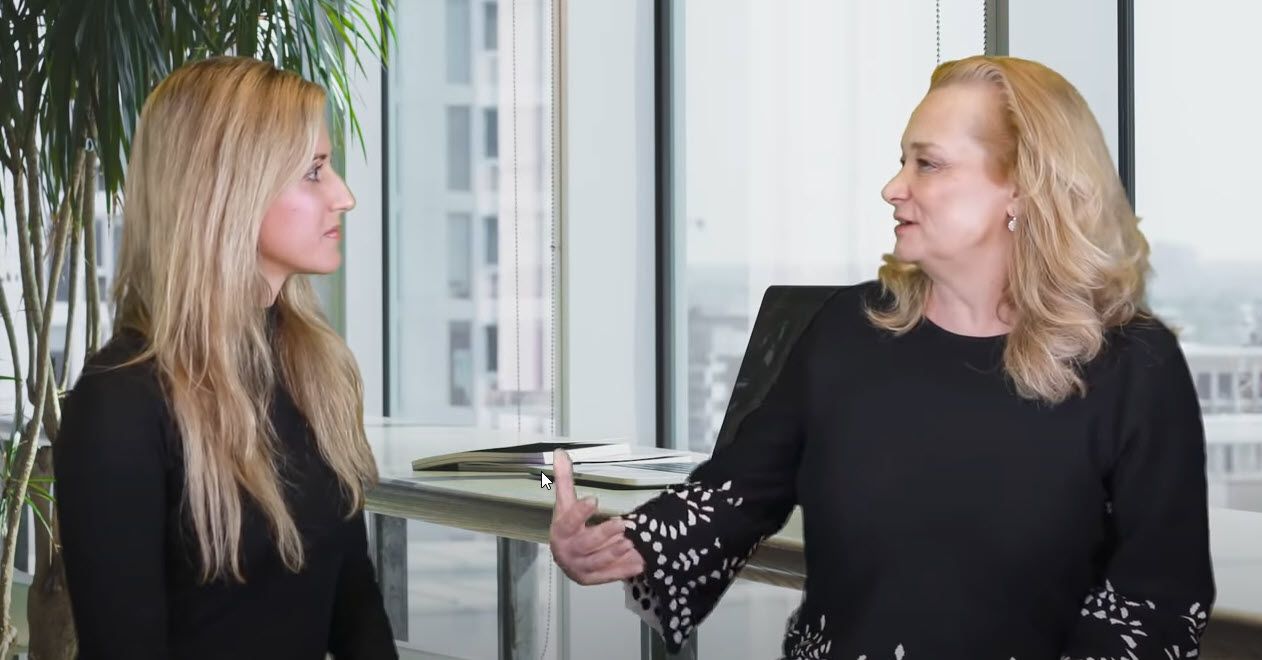
For over 25 years, we’ve been guiding clients from around the world to improve their pronunciation, strengthen their voices, and speak with authority in English.
Check out our popular online course, The American Accent Course, or take one-on-one lessons customized to your specific needs.
What’s YOUR reason for wanting to reduce your accent?
Share your story below, and let’s start your journey to clearer, more confident communication!
Related Posts

15 Reasons to Take One-on-One Accent Reduction Lessons
One-on-one accent reduction lessons can change the way you speak and connect. Explore 15 reasons students choose this training to improve clarity and confidence.

4 Tips to Improve Your American Accent Fast
Master the American Accent with 4 tips to improve your accent fast. Use these tips at work when speaking to colleagues and clients to help you speak more clearly and confidently.
Testimonials

Yasmine Al-Massri
Actress
“This course has been tremendously helpful to me. I avoided going to many auditions because of my accent. When you are a foreign-born actor and you get the script and you’re told you have to sound American, it’s intimidating. You have to focus on how you’re going to play the character and then how your accent sounds. You freak out! Lisa’s method gave me the tools I need to sound like a native speaker”

Jordann Kimley
Actor
“Lisa Mojsin is such a perfectionist. After working for nearly a decade with professional speech pathologists and various accent reduction teachers, I have found Lisa to be the most effective. I am now getting work as an actor because I no longer have an accent. She’s straight to the point and wastes no time. I have recommended her to so many people!”

Iona
from Germany, working in the US
“After a few weeks of taking this course I saw a huge improvement. I saw it not only in a business context but also in daily life. People are no longer focusing on my accent or asking me, “Where are you from?” I don’t avoid conversations any more. Actually, I look forward to them.
I really like the way this method focuses on small details of pronunciation. But it’s these small details that make a big difference in being understood. Now, in daily conversations, it’s more about me and less about my accent or where I’m from. I’m happier and I’m definitely more confident.
I can highly recommend these courses to anybody who’s serious about working in the US. If you think your English is fluent, working in the US is something different. You need to always get your message across.
I can highly recommend these courses.”

Paul S.
Software Engineer, from India, working in the US
“I honestly think taking these courses is not a choice. It’s essential for professional growth. I truly believe that communication is the key to reaching your highest goals. Even if you can dedicate just 30 minutes a day, it can make a world of difference.”

Your Instructor
Lisa Mojsin, M.A., is the founder of Accurate English, a premier accent reduction and communication training center in Los Angeles, with over 25 years of experience helping professionals master the American accent. As the creator of the bestselling book Mastering the American Accent and the acclaimed American Accent Course, Lisa personally conducts initial evaluations and first sessions for one-on-one coaching clients, ensuring tailored, results-driven training. She also trains Accurate English instructors in her proven methodologies, guaranteeing exceptional quality across all programs.
Get Started Now
Schedule your evaluation with Lisa Mojsin and secure your spot.
Questions? Contact us at [email protected]
0 Comments